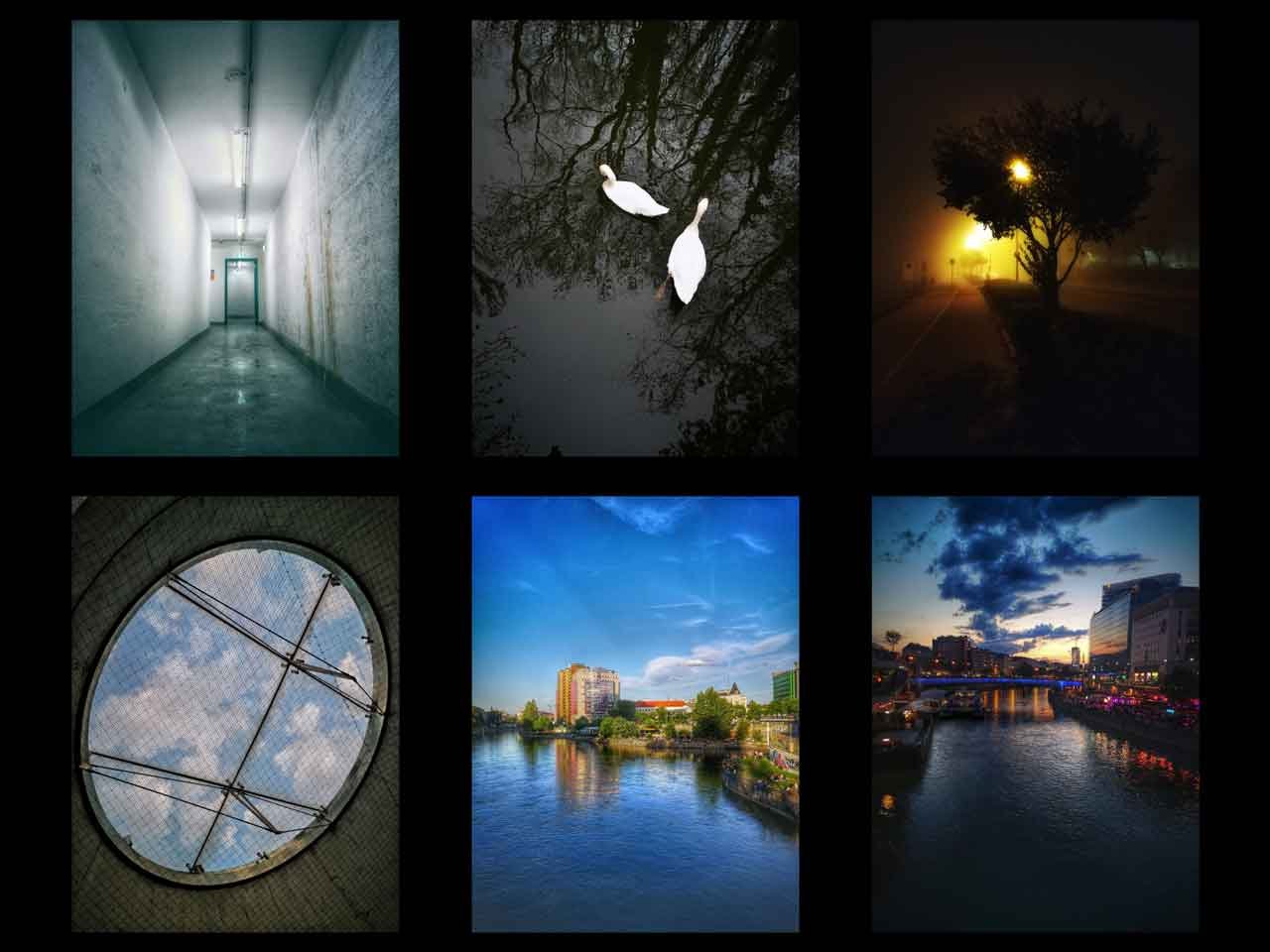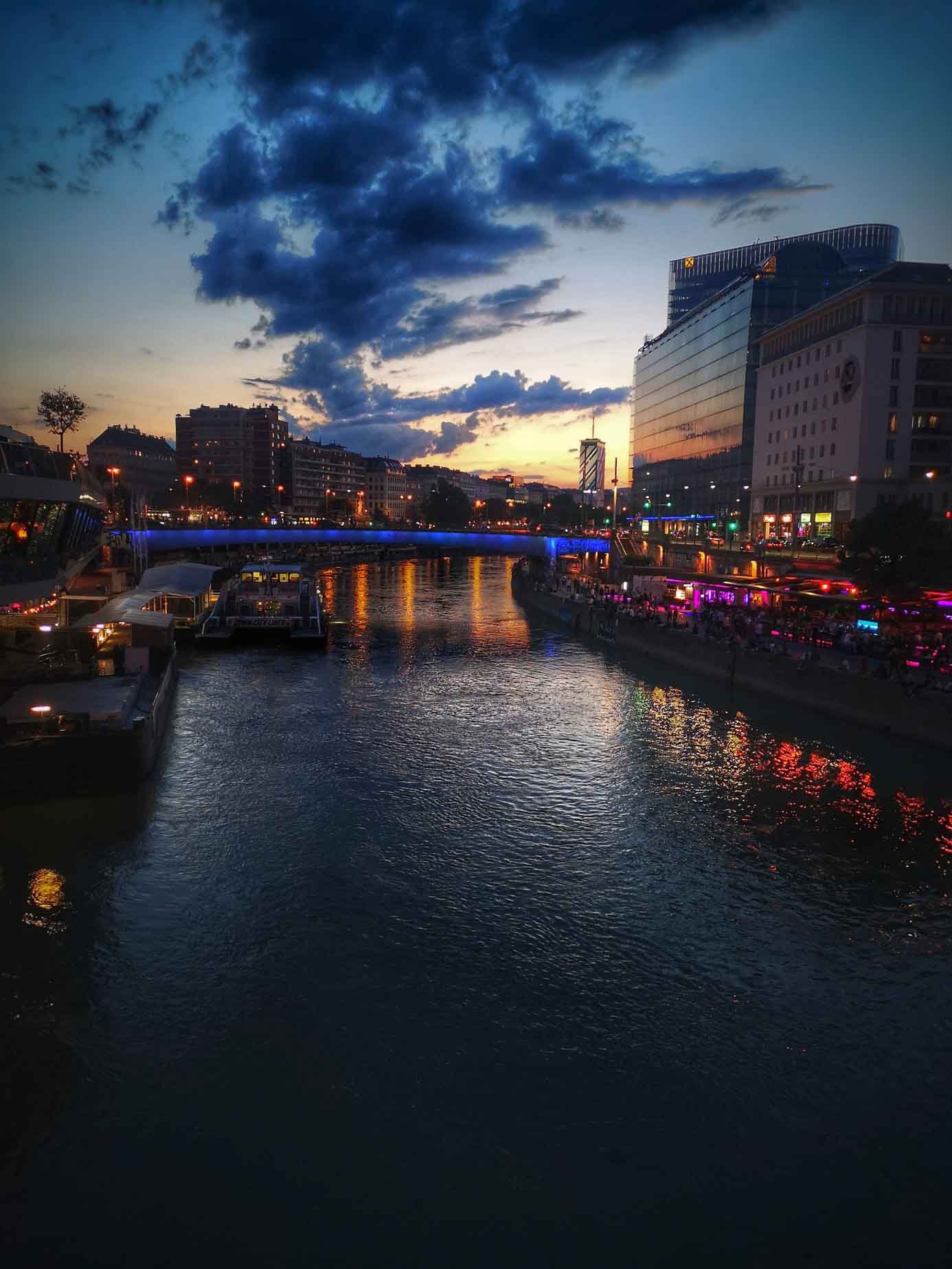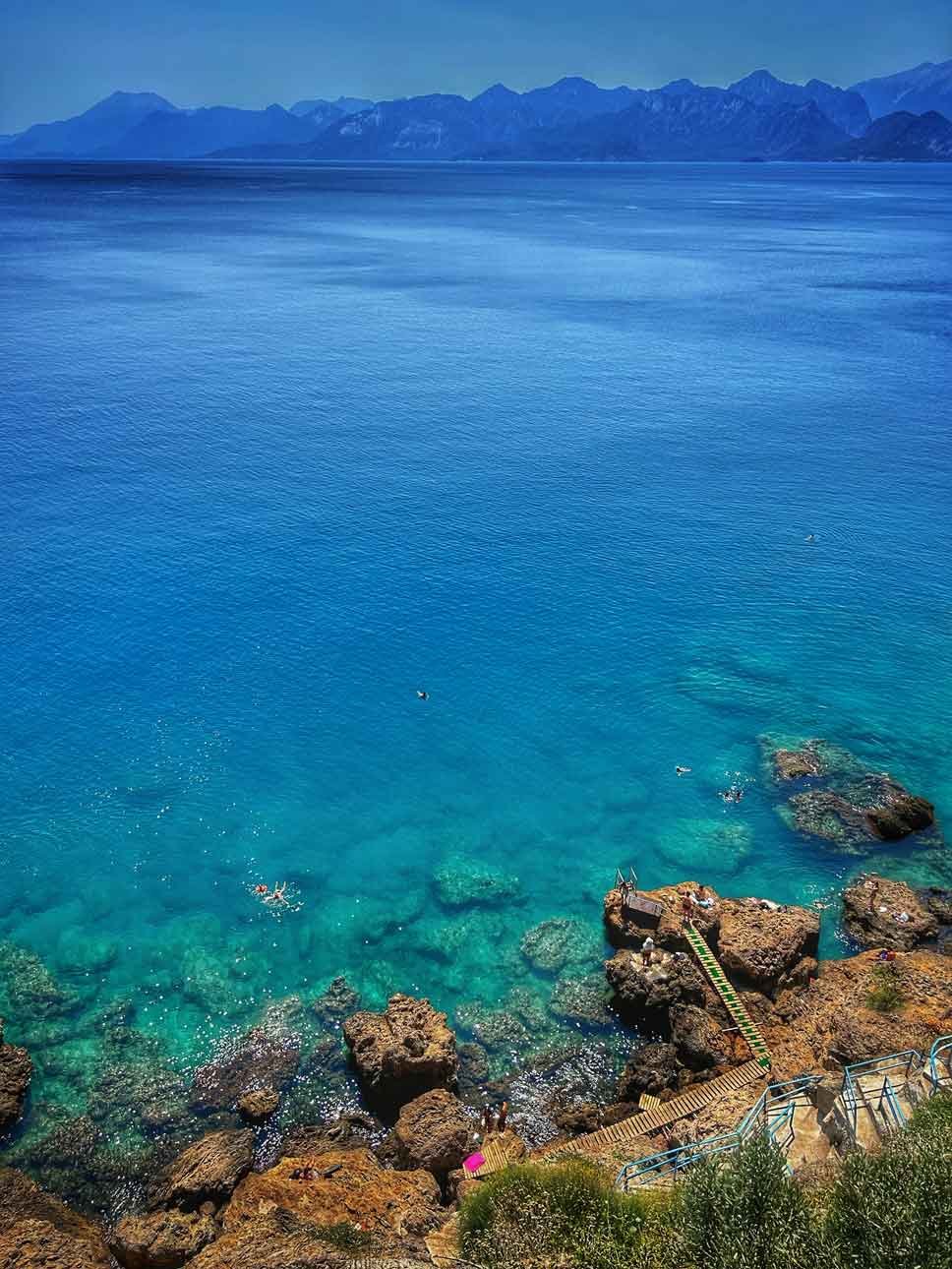
photographs are digital memories recorded in our digital storage. although they may appear as sharp moments capturing reality, in fact, they are as uncertain as our memories. a photograph doesn’t show only what’s within its frame. in reality, the whole story is hidden in the world of thoughts outside that frame.
thoughts, feelings, emotions, and memories are reshaped through the touch of algorithms, just like the memories we reconfigure each time, gaining a new form and meaning. these new formations question how memories are not as stable as they may seem, how they can change over time, and how they can be shaped by the influence of others. how can we trust our own memories? can memory not only reflect the past but also the present and the future?
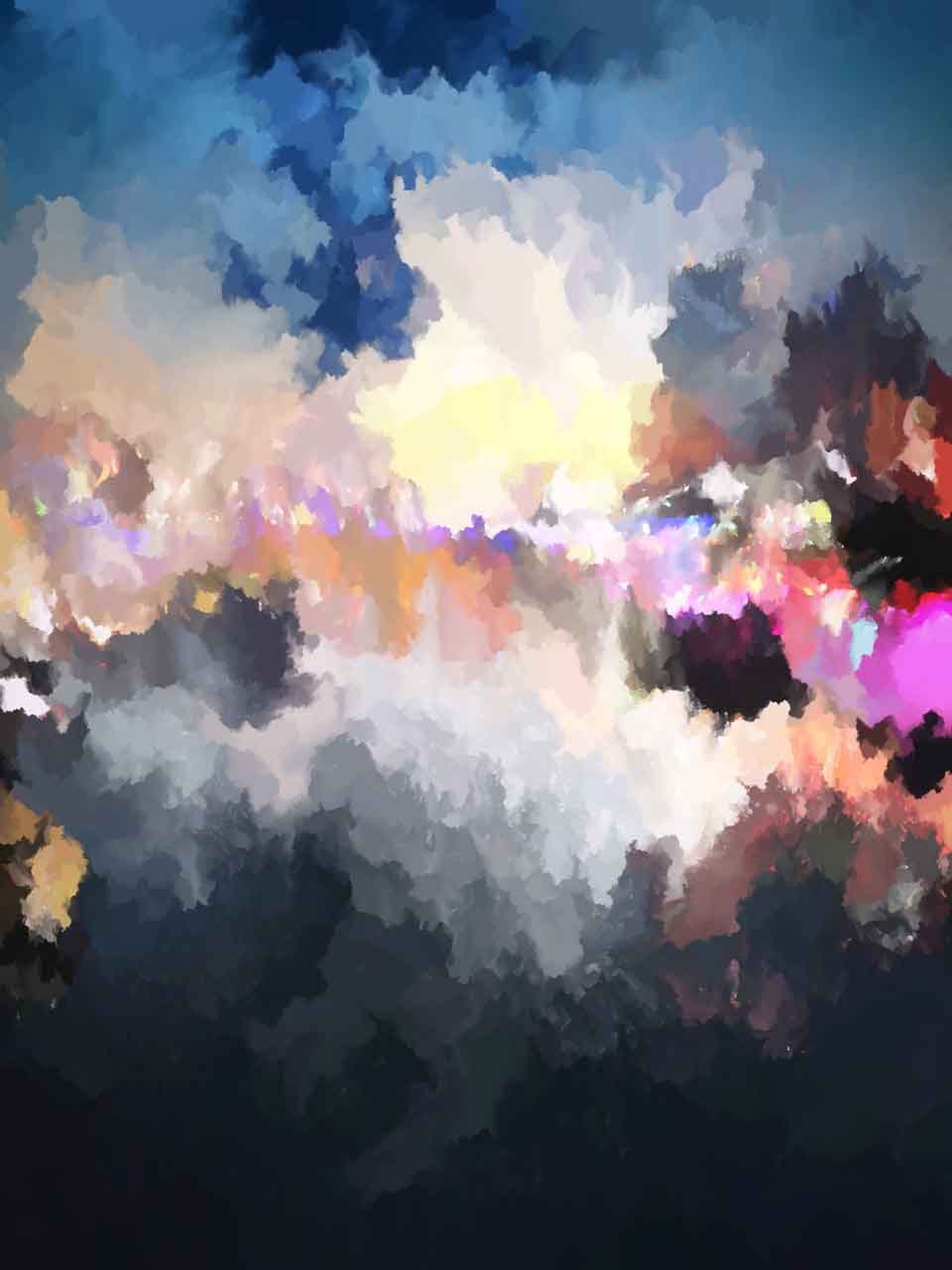
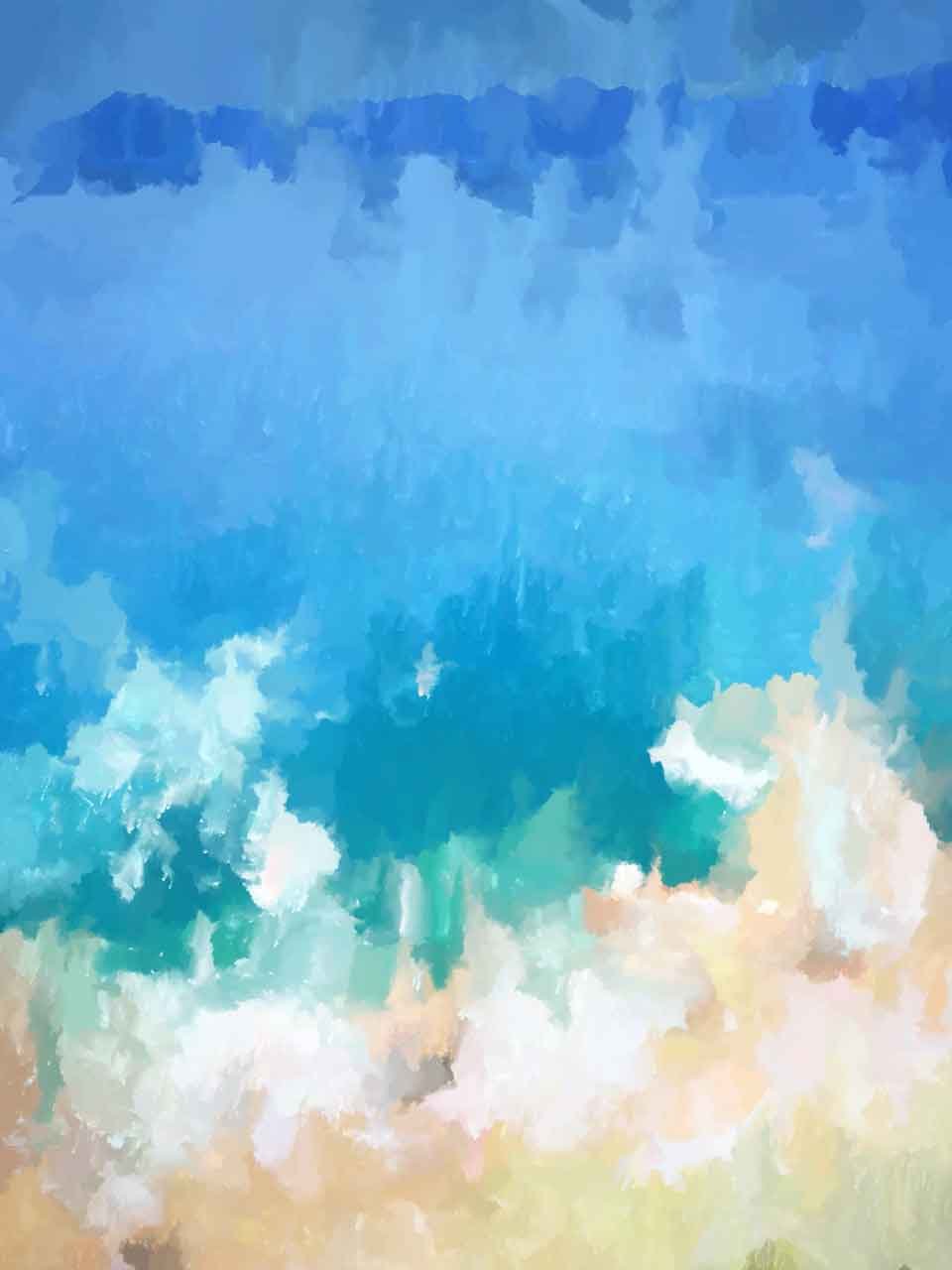
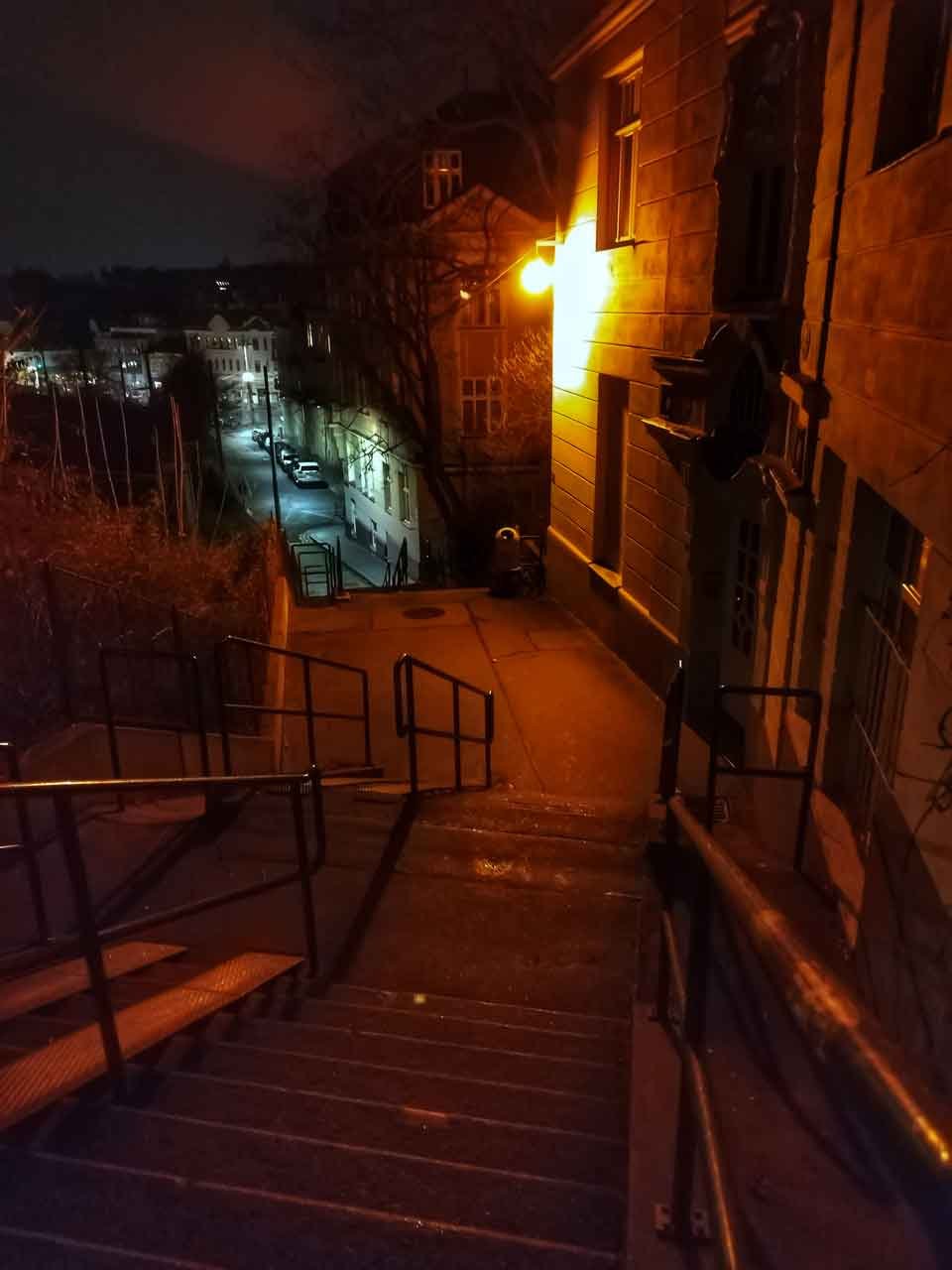
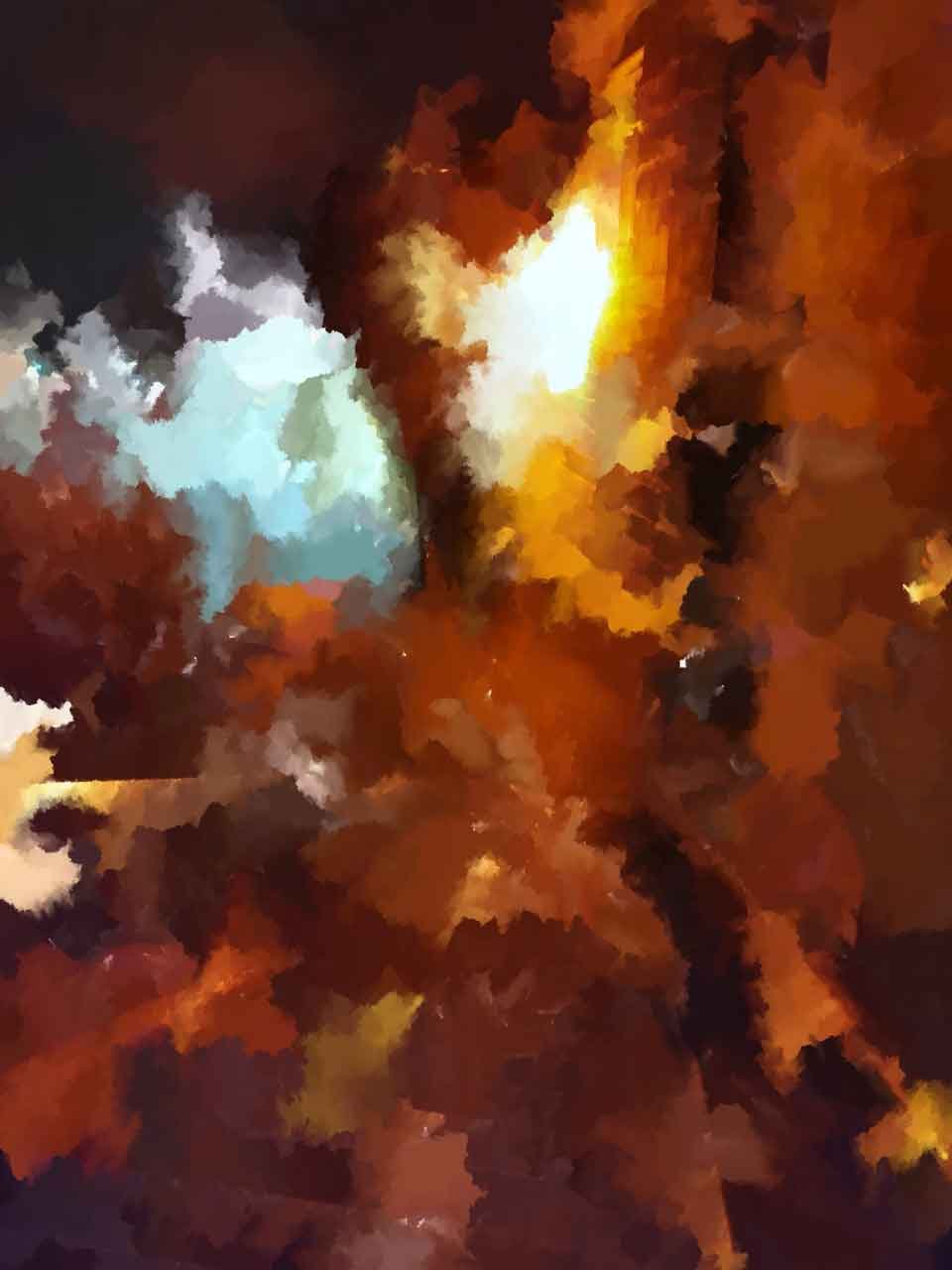
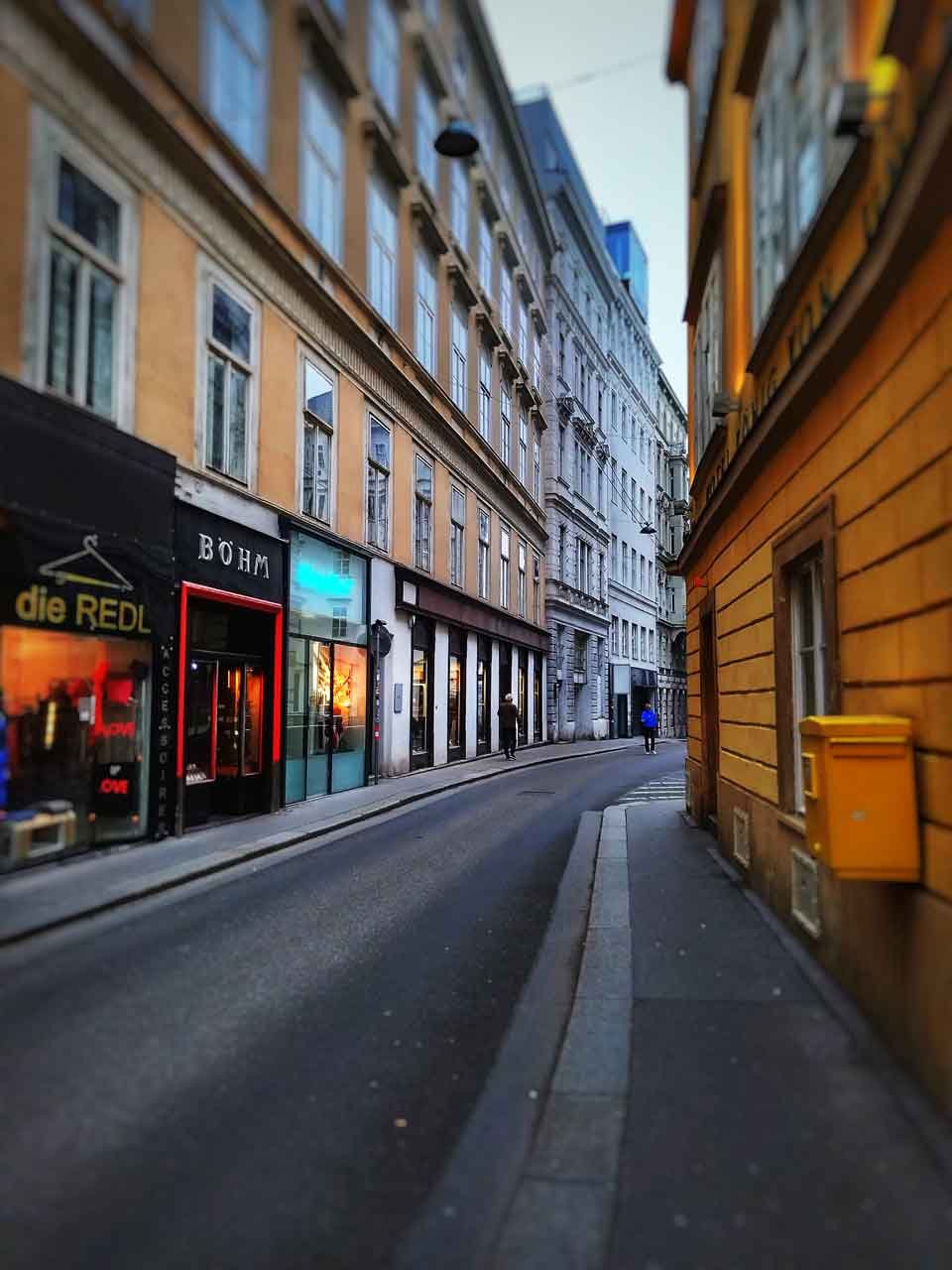
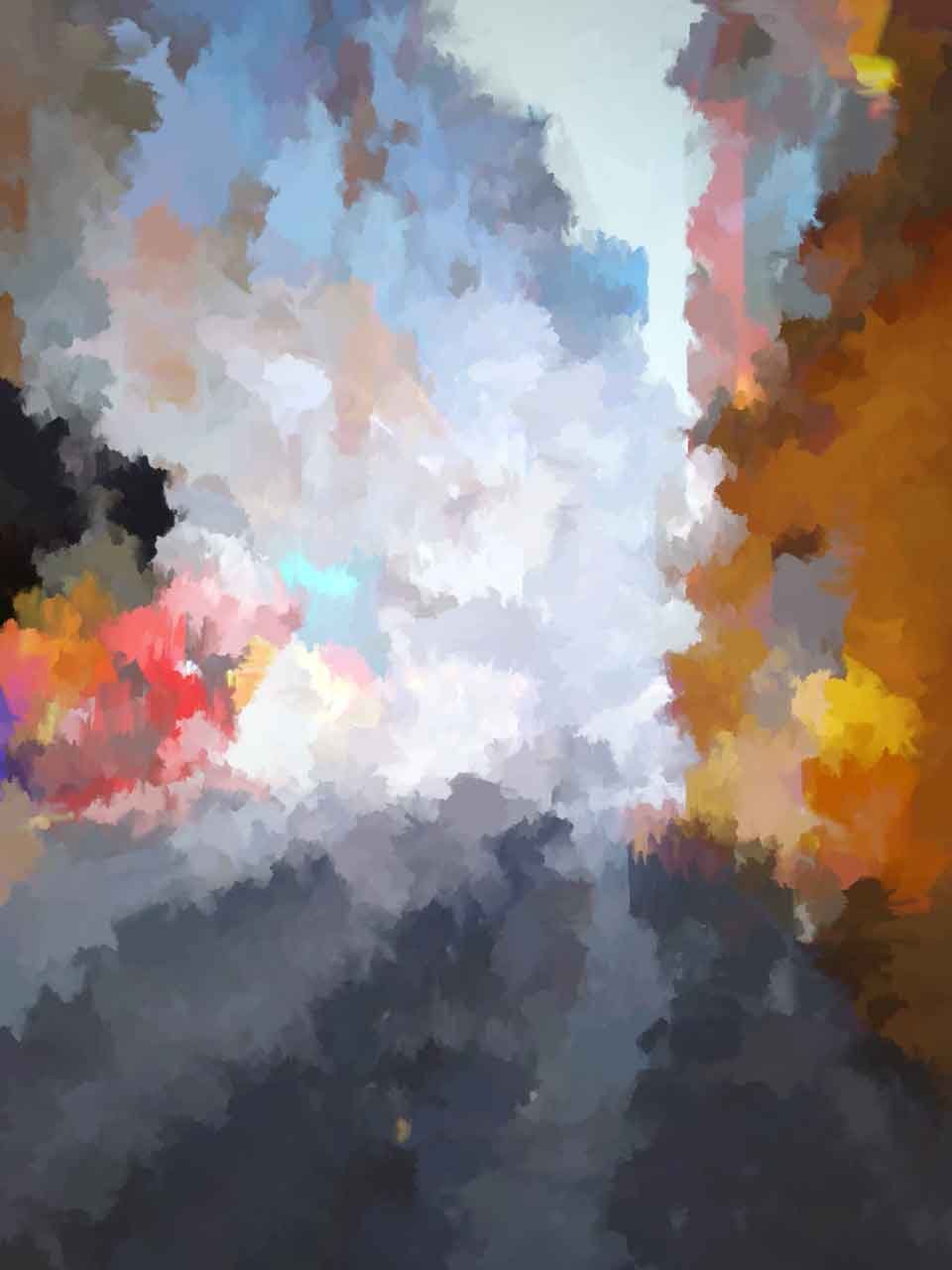
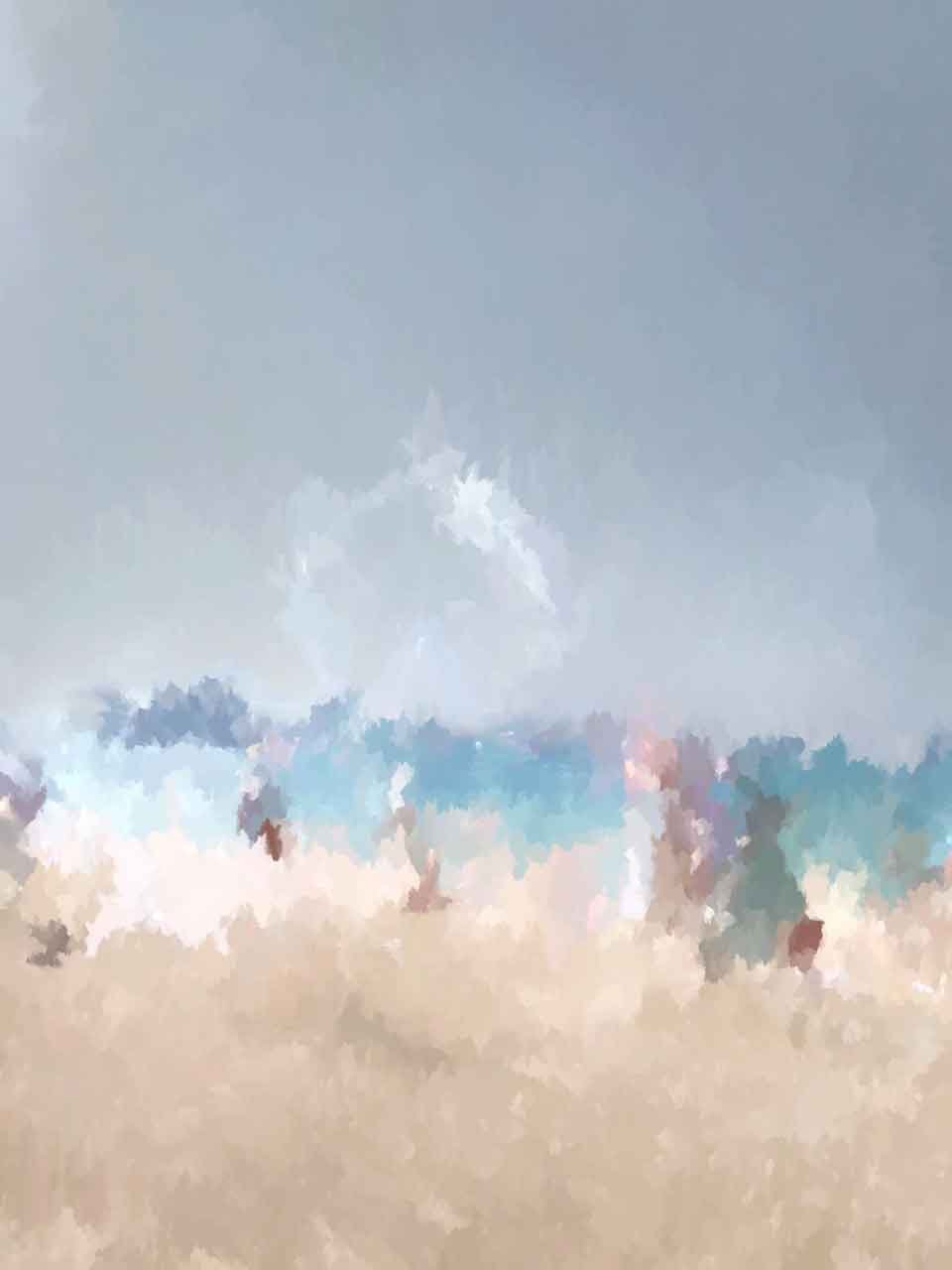
this project is a series that follows the blurred traces of places where a chronological story unfolds from start to finish. at the same time, it references the 1944 film “gaslight”, posing these questions: are these photographs or indistinct watercolor traces? an abstract painting created by the dance of mixed colors, or just a screensaver?
process & structure
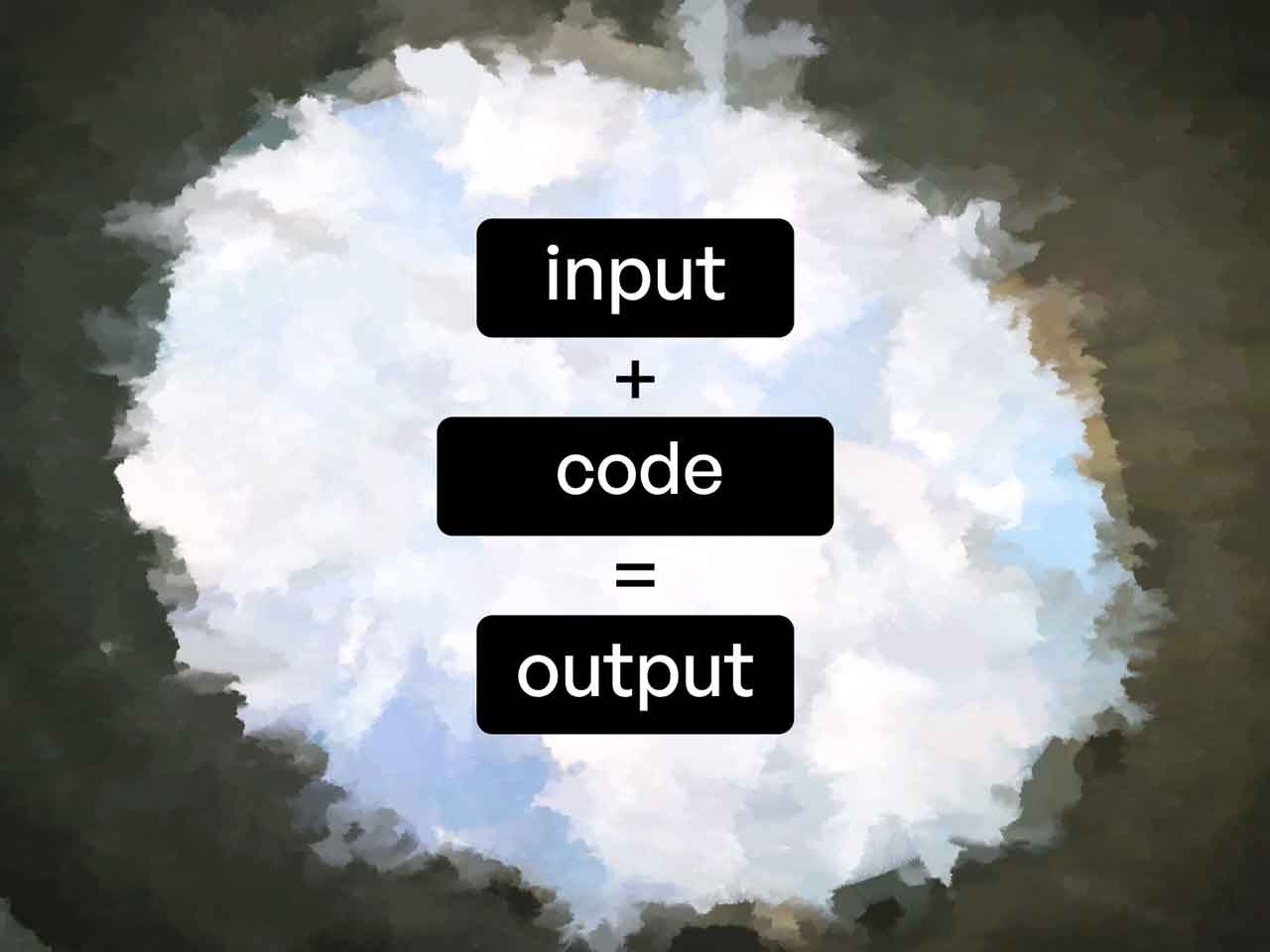
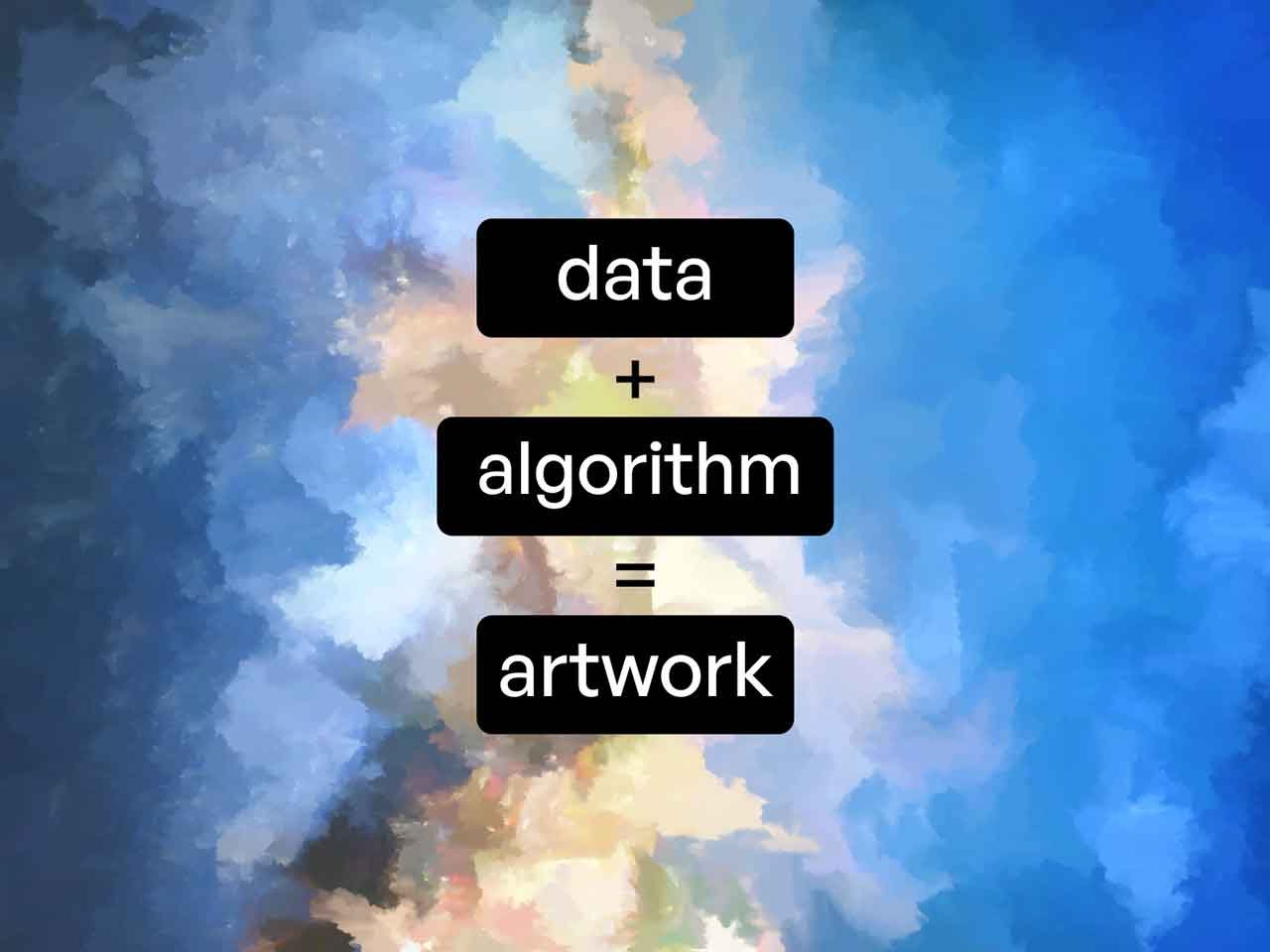
input + code = output
1) input (data)
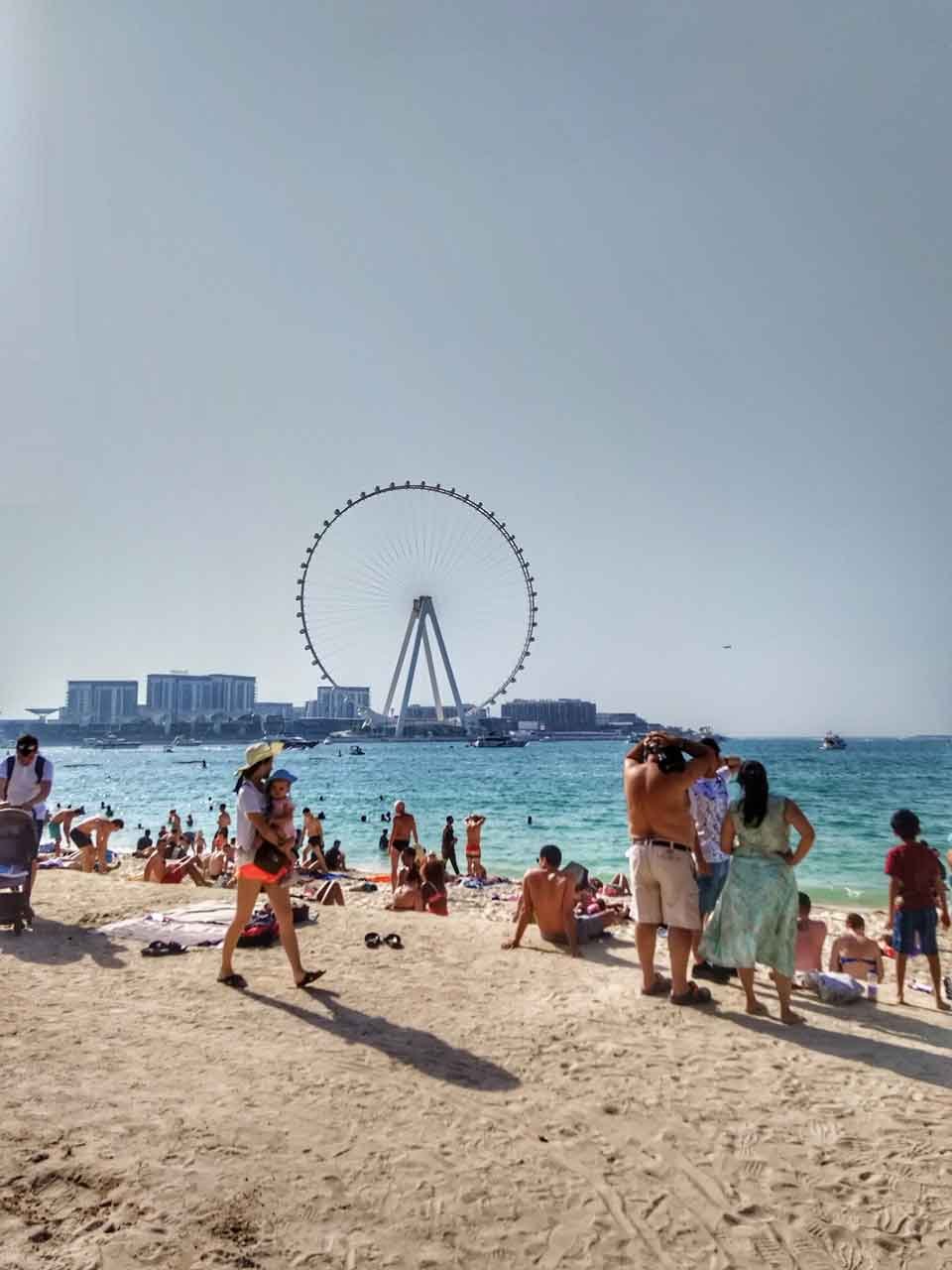
in my project, I specifically use moments captured with a phone as data. I believe that these spontaneously taken phone photos represent our digital memories.
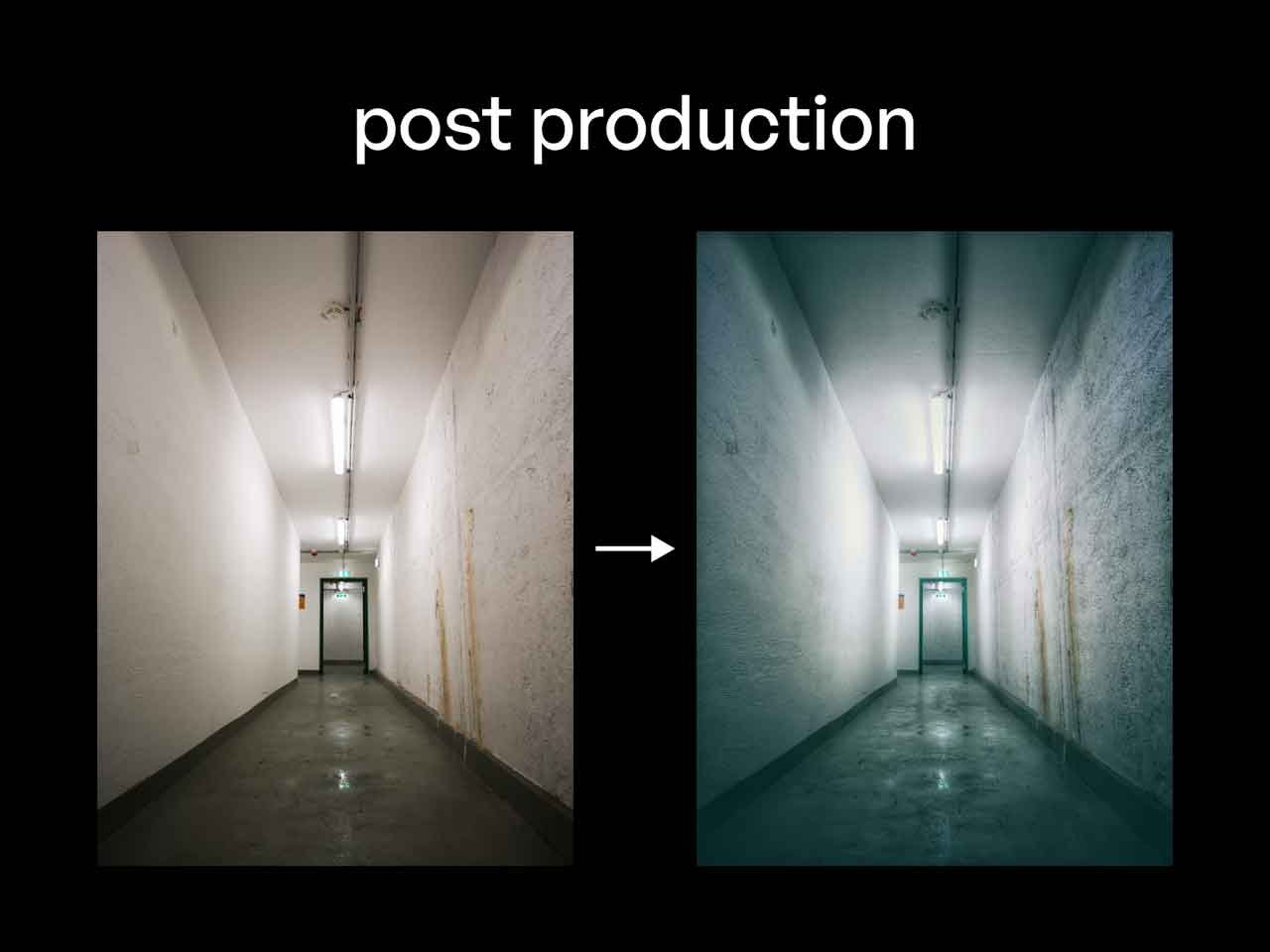
our memories are like individual movie scenes, each moment having its unique cinematography, emotions, and color palette. that’s why, for many years, I’ve made it a habit to edit the photos I take with my phone as quickly as possible to reflect the atmosphere that conveys my emotions at that moment.
the most challenging part of my project might be curating a selection from the thousands of photos on my phone to find those with personal significance and a storytelling value. in curating this selection, I also made sure that each frame maintains a distinct point of view (POV) so that viewers can connect with their own memories and experience their own narratives while looking at the scenes.
2) code (algorithm)
in creating a code-based or algorithmic artwork, one of the most crucial aspects is constructing the right algorithm. when working with algorithms, what challenges an individual the most is getting lost among the countless possibilities and probabilities. therefore, before I start preparing my algorithms, I establish a suitable theme for my project and the visual outcome I aim to achieve right from the beginning. then, through extensive research, work, and trial and error, I fine-tune my algorithms to a point where they consistently produce the desired effect across all inputs.
in my “light of the gas” project, my starting point was the 1944 film “Gaslight”. I had two crucial outcomes I wanted to achieve in my inputs.
a) I aimed to create a result that would reflect the light of the gaslight in the film. to achieve this, I revisited and edited an algorithm I had worked on before to create color patterns resembling a mixture of flames and smoke.
b) the second effect I wanted to capture was to apply a manipulation similar to the one in the “gaslight” film within my own artwork. in this regard, I wanted to leave the audience in a dilemma, making them question whether what they were seeing was a photograph, a watercolor painting, or just a screensaver. for this reason, I organized the piece as a 30-second loop animation, and I applied the effect to display a brief image every 30 seconds.
3) output (artwork)
after setting up the entire infrastructure for the project, I categorized my curation and started creating the first series of my collection with independent shots that captured momentary feelings.
in addition to these, I have prepared more narrative selections that depict the events I experienced in chronological order. for instance, some of them consist of 15 frames, while others have 62 frames.
for each piece, I obtained test outputs from the algorithm and made minor interventions when necessary to prepare the artworks. of course, I also meticulously wrote the story for each piece.
I’m an artist, and I constantly feel the need to create. for me, it’s as vital as breathing because it’s the only way I can express myself and then understand myself through what I convey. I believe that sharing and exhibiting my work is the most beautiful way to do this. one of my biggest goals is to showcase my creations and collections IRL. I am made up of my memories, and my art is made up of those memories.